
For someone weighing an operation because leg pain, numbness, or a back that keeps giving out has taken over daily life, non surgical spinal decompression may be worth assessing first when the findings point to disc-related nerve pressure, while surgery remains the safer choice for some serious cases. The fear is not only the procedure itself; it is losing more workdays, sleep, and family time while trying the wrong path. A careful evaluation can replace that all-or-nothing decision with evidence.
The comparison comes down to what is pressing on the nerve, whether nerve function is stable, and whether your spine can safely handle a non-invasive plan. Neither option should be chosen from an imaging phrase alone.
Who is a candidate for non-surgical decompression?
The best candidates have stable, disc-related symptoms without urgent nerve loss. Non-surgical spinal disc decompression may be considered when an exam, symptom pattern, and imaging findings suggest a disc or narrowing is contributing to nerve pressure.
Someone may come in with pain from the low back into the calf, tingling in the foot, and less tolerance for standing at the kitchen counter. If those symptoms fit a disc-related pattern and strength is stable, a decompression procedure may be a reasonable path to discuss before surgery. The same is true for selected cases involving herniated or bulging discs, sciatica-like symptoms, degenerative disc changes, and spinal stenosis.
The important detail is that a scan does not make the decision by itself. Many people have disc bulges without pain, while another person may have a smaller disc change that closely matches where pain travels and what movement triggers it. I have seen patients spend months focused on a scan label when the more useful question was what their leg, foot, arm, or walking tolerance was doing now.
How does non-surgical decompression compare with surgery?
Decompression aims to reduce mechanical loading, while surgery changes anatomy directly. The right option depends on the severity of the compression and the risk of waiting.
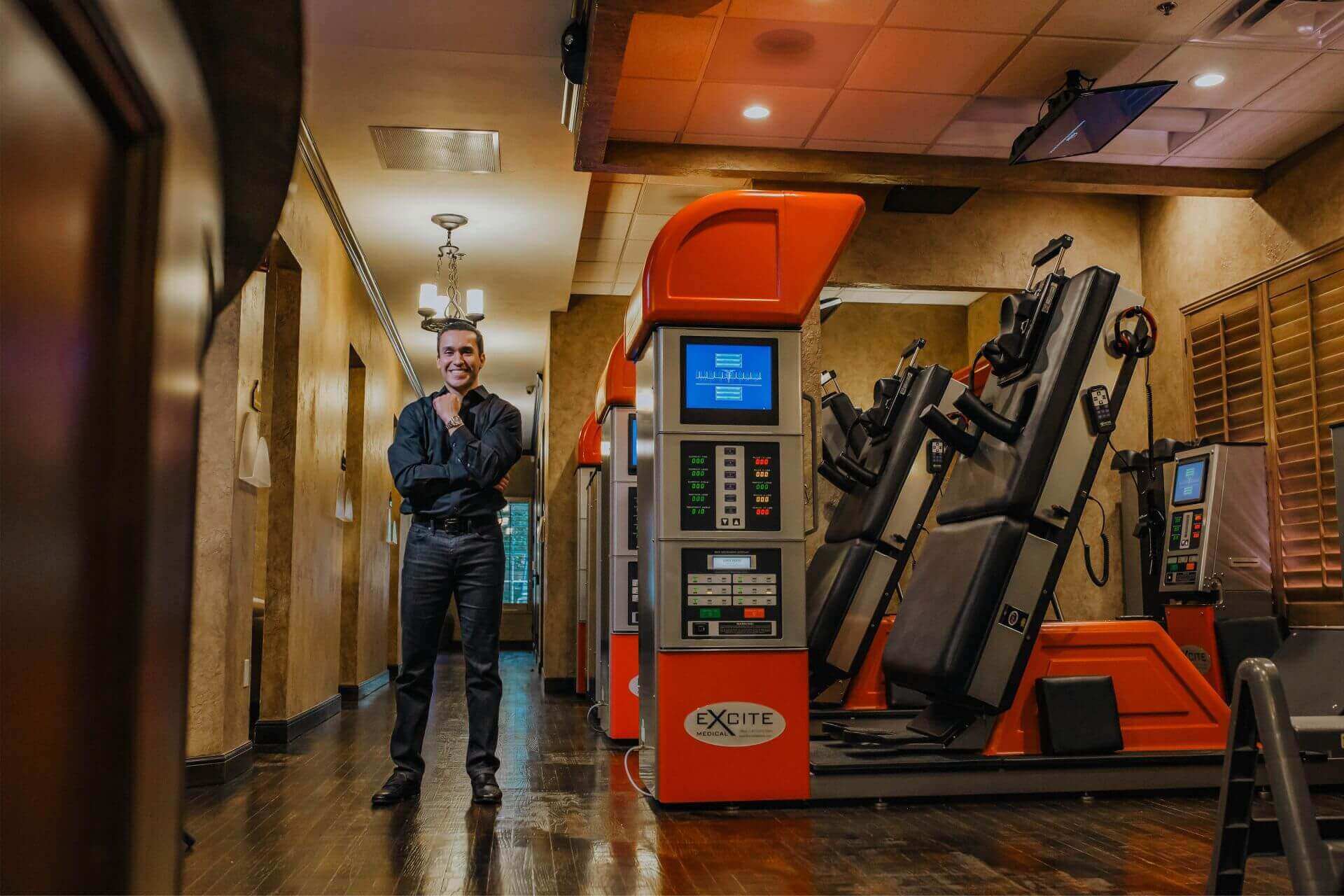
A non-surgical decompression procedure uses controlled pull-and-release cycles on a decompression machine. The goal is to change loading around the disc and create more room near an irritated nerve. It does not remove disc material, fuse bones, or repair every source of back pain.
Surgery may involve removing tissue that crowds a nerve, widening a narrowed spinal space, or stabilizing part of the spine when instability is present. Because surgery directly addresses certain structural problems, it can be necessary when nerve function is threatened or when the findings show a problem that non-invasive care cannot safely address.
Does non-surgical spinal decompression work?
Results vary because decompression does not fit every cause of spine pain. It may help selected people with disc-related nerve symptoms, yet research does not support treating it as a proven answer for everyone.
WebMD describes non-surgical decompression as motorized traction intended to reduce pressure on discs and nearby structures, while also noting that more research is needed to establish how effective it is. The older review, “Non-surgical spinal decompression therapy: does the scientific literature support efficacy claims made in the advertising media?”, found limited high-quality evidence and raised concerns about claims that went beyond the research.
That uncertainty is useful, not discouraging. It means a provider should track changes that matter to you instead of treating completed visits as proof of progress. Can you stand long enough to make dinner? Are you sleeping longer before pain wakes you? Does pain travel less often into the foot or hand?
At North Dallas Spine Center, noticeable pain reduction and increased mobility may begin within 2–3 weeks for the right candidate. That is a possible response, not a guarantee, and it depends on the cause, severity, health history, and how your body responds.
When is surgery the better choice?
Surgery is often the better choice when nerve damage may be progressing or a serious condition is present. A surgical referral is not a defeat for non-surgical care; it can protect function when time matters.
Seek prompt medical evaluation rather than waiting for a decompression visit if you have:
- New loss of bladder or bowel control
- Numbness around the groin, inner thighs, or saddle area
- Rapidly worsening weakness in an arm or leg
- Severe spine pain after a major fall, crash, or other injury
- Fever or feeling very unwell with new severe back pain
- A history of cancer with unexplained new spine pain
Severe or worsening weakness deserves particular attention. Pain can rise and fall, but difficulty lifting the front of your foot, gripping objects, or walking steadily may show that nerve function needs urgent assessment.
Some people also need medical or surgical care because of fractures, infection, tumor, major instability, or anatomy that makes decompression unsuitable. Cleveland Clinic explains that spinal decompression surgery may be used to relieve pressure caused by conditions such as stenosis or herniated discs, depending on the person’s condition and symptoms.
What does an evaluation reveal before either option?
An evaluation shows whether the symptoms, movement findings, and images tell the same story. It is the step that separates a reasonable non-surgical trial from a referral that should not be delayed.
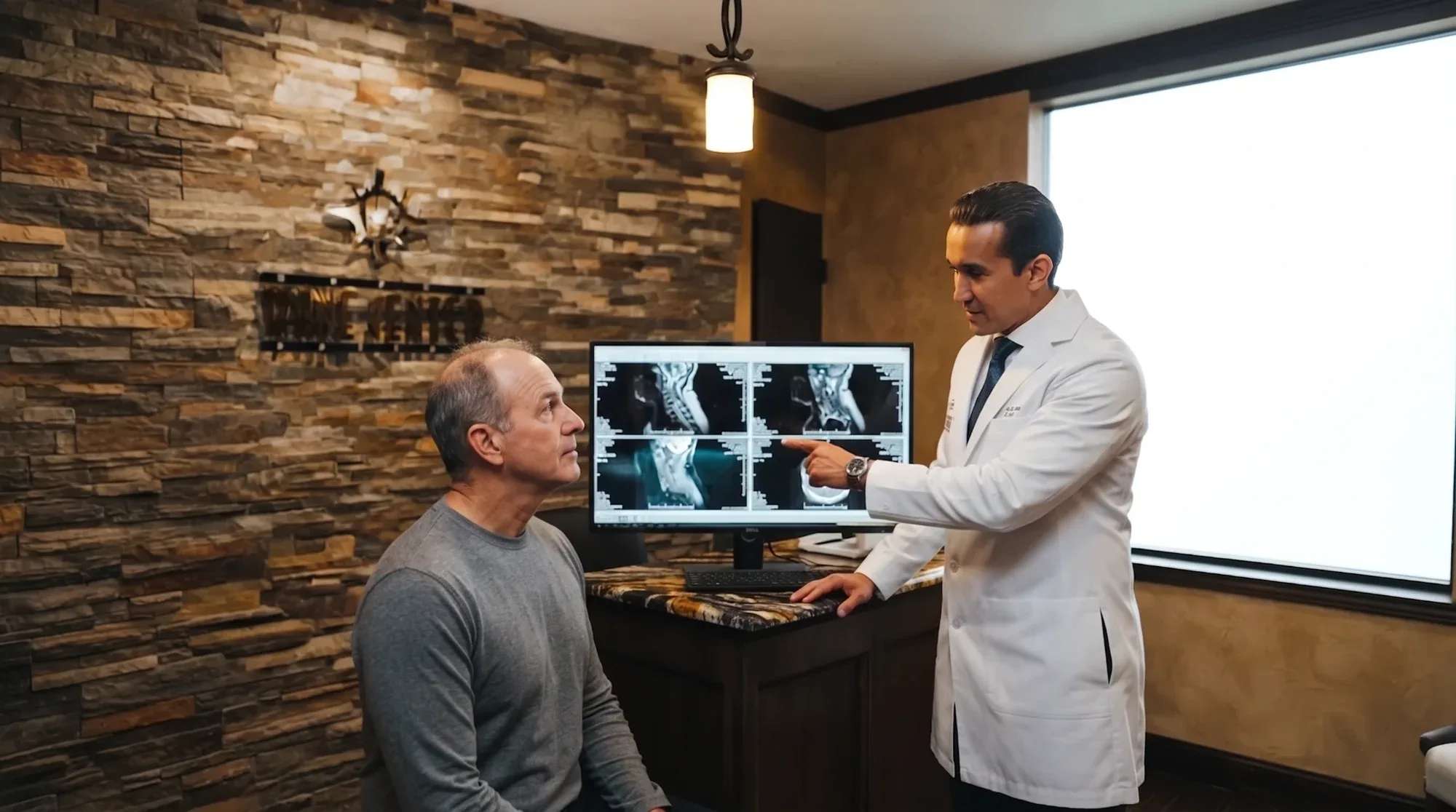
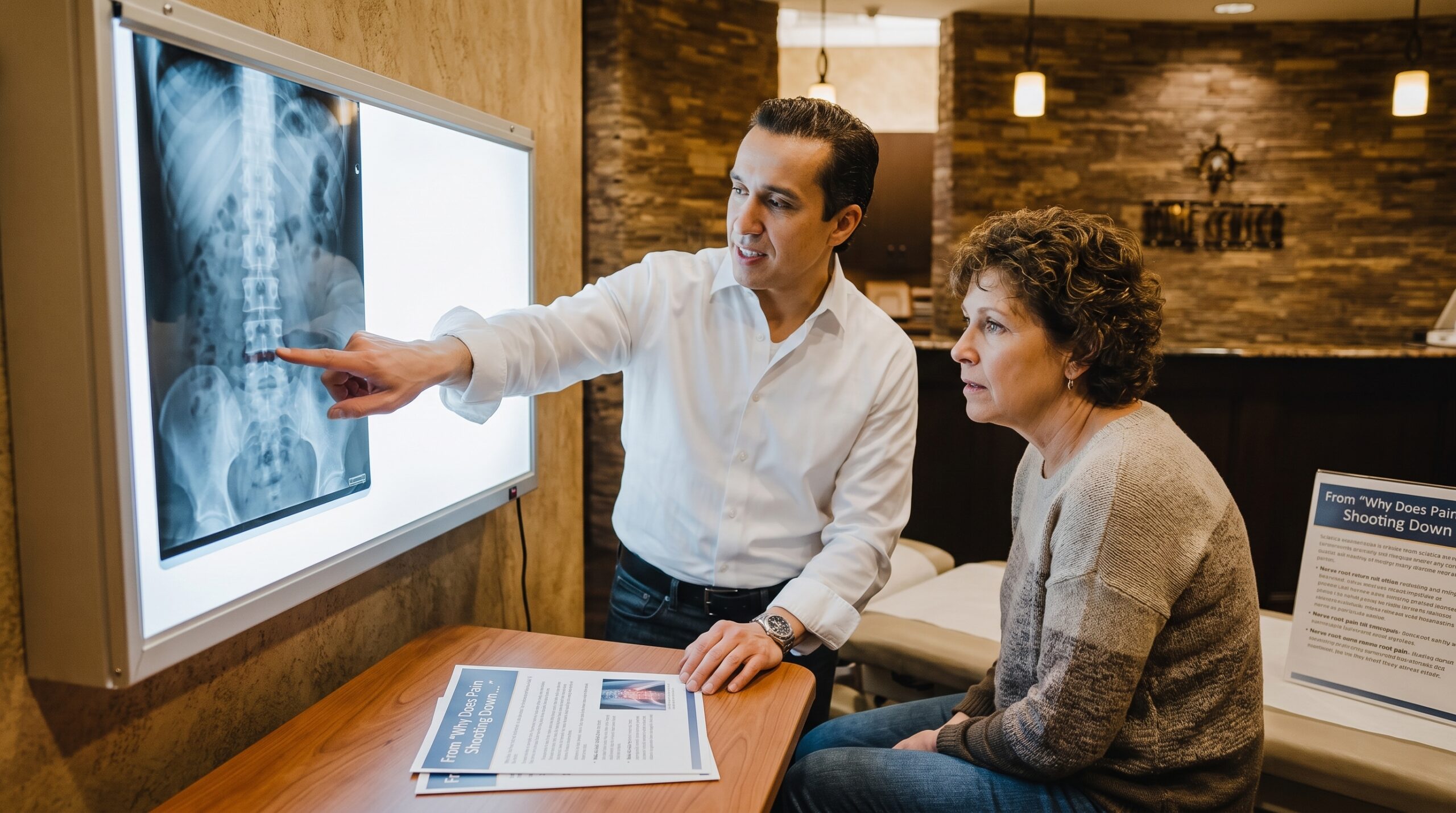
During a Complimentary Spine Consultation, Dr. Oscar Presas looks at where symptoms begin, where they travel, what positions increase them, and whether strength, reflexes, or sensation raise concern. The visit can include a consult, exam, X-rays, treatment plan, first-visit Shockwave, and general advice when appropriate.
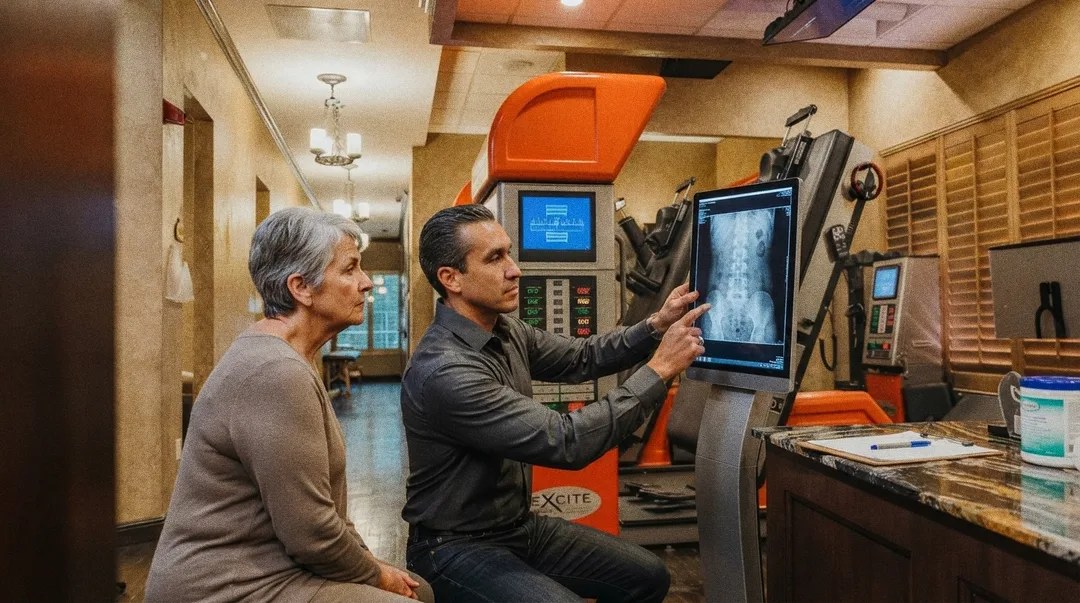
X-rays can show structural features such as alignment, joint changes, and disc-space height, though they do not show every soft-tissue or nerve detail. Previous reports and imaging can add context, especially if you bring a clear timeline of when symptoms began and what has changed.
When the findings support it, The NUCCA + Spinal Decompression Protocol combines the NUCCA procedure with controlled decompression to address upper-spinal movement and disc-related nerve pressure in a plan built around your specific pattern.
Is the decompression machine safe for everyone?
A decompression machine is not appropriate for every spine history or diagnosis. Safety depends on your symptoms, bone health, prior procedures, implants, imaging, and the cause of your pain.
A person with severe osteoporosis, a recent fracture, certain prior spinal procedures, or unstable symptoms may need another route. Comfort during care matters too: sharp, spreading, or worsening symptoms should be reported immediately, not pushed through.
I have learned from treating severe cases that the strongest recommendation is sometimes a referral. Knowing early that a decompression procedure does not fit can spare you from spending more time and money on a plan that cannot address the real problem.
Which option makes sense if you are still unsure?
Choose an evaluation first when your symptoms are persistent but stable. Choose prompt medical care when warning signs or rapidly changing nerve function are part of the picture.
Stable symptoms that seem connected to a disc, nerve pressure, or certain forms of narrowing may justify asking whether non-surgical decompression is a fit. Symptoms that are suddenly severe, spreading quickly, or affecting bladder, bowel, walking, or strength need medical assessment before any conservative spine plan.
A real patient review captures the value of watching function, not just pain: “I am walking much better and not in as much pain as I was about six weeks ago when I first came in.” — Fred H, 5/5 on local.demandforce.com. That is one person’s experience, not a prediction for yours, but walking, sleep, and daily movement are the kinds of outcomes worth measuring.
Serving Plano and the broader Dallas metropolitan area, North Dallas Spine Center offers a Complimentary Spine Consultation to help identify what may be driving your pain and whether the clinic may be able to help. The visit is not a promise that you are a candidate; it is a practical way to see whether a non-surgical path, a medical referral, or a surgical opinion fits the evidence.
Dr. Oscar Presas is a NUCCA Doctor with more than 15 years in practice who has served 500+ clients. After a severe lower-back injury at 19 left him unable to get out of bed, he experienced dramatic improvement after his first chiropractic treatment; later, seeing serious herniation, nerve compression, and stenosis cases taught him why a careful referral decision matters.
If pain has made you miss another workday, wake through the night, or hesitate before lifting a grandchild, request a Complimentary Spine Consultation in Plano, Texas. Consultation times are limited by Dr. Presas’s next-day schedule, and non surgical spinal decompression should be considered only after your findings show it may be the right path.
Frequently asked questions
Is non surgical spinal decompression better than surgery?
Non surgical spinal decompression may be worth considering first when symptoms are stable and findings suggest disc-related nerve pressure. Surgery may be the better choice when nerve function is worsening, the spine is unstable, or a serious condition is present. An exam and imaging help compare the safer path for your situation.
Who is a candidate for non surgical spinal decompression?
Candidates may have stable pain, tingling, or numbness linked to a disc problem, nerve pressure, or selected cases of spinal stenosis. Strength, reflexes, walking, health history, and imaging all matter. A disc bulge on a scan alone does not show whether a decompression procedure is appropriate.
When is back surgery necessary for nerve pain?
Back surgery may be necessary when nerve damage could be progressing or a structural problem cannot be safely managed with non-invasive care. Rapidly worsening weakness, major instability, fractures, infection, or tumors need prompt medical or surgical assessment. A surgical referral can protect function when waiting carries risk.
Can spinal decompression help avoid back surgery?
Spinal decompression may give selected people a non-surgical option before surgery is considered, especially when symptoms fit stable disc-related nerve pressure. It cannot remove disc material, stabilize every spine problem, or replace a needed surgical referral. Results depend on the cause, severity, and response to care.
What symptoms mean I need surgery immediately?
Seek prompt medical evaluation for new bladder or bowel control loss, numbness around the groin or inner thighs, or rapidly worsening arm or leg weakness. Severe spine pain after a major injury, fever with severe back pain, or cancer history with unexplained new pain also needs urgent assessment. Do not wait for a decompression visit.
Is a decompression machine safe with a herniated disc?
A decompression machine may be considered for some herniated disc cases, but safety depends on the full findings. Bone health, prior spine procedures, implants, recent injury, symptom changes, and nerve function can all affect whether it fits. Sharp, spreading, or worsening symptoms should be reported immediately during care.
What happens during a spine consultation in Plano?
A Complimentary Spine Consultation at North Dallas Spine Center in Plano, Texas can include a consult, exam, X-rays, treatment plan, first-visit Shockwave, and general advice when appropriate. The visit helps determine what may be driving your pain and whether you may be a candidate. It does not promise that every person qualifies for non-surgical care.